
The Complete Guide to Researching a Company Before Your Job Interview

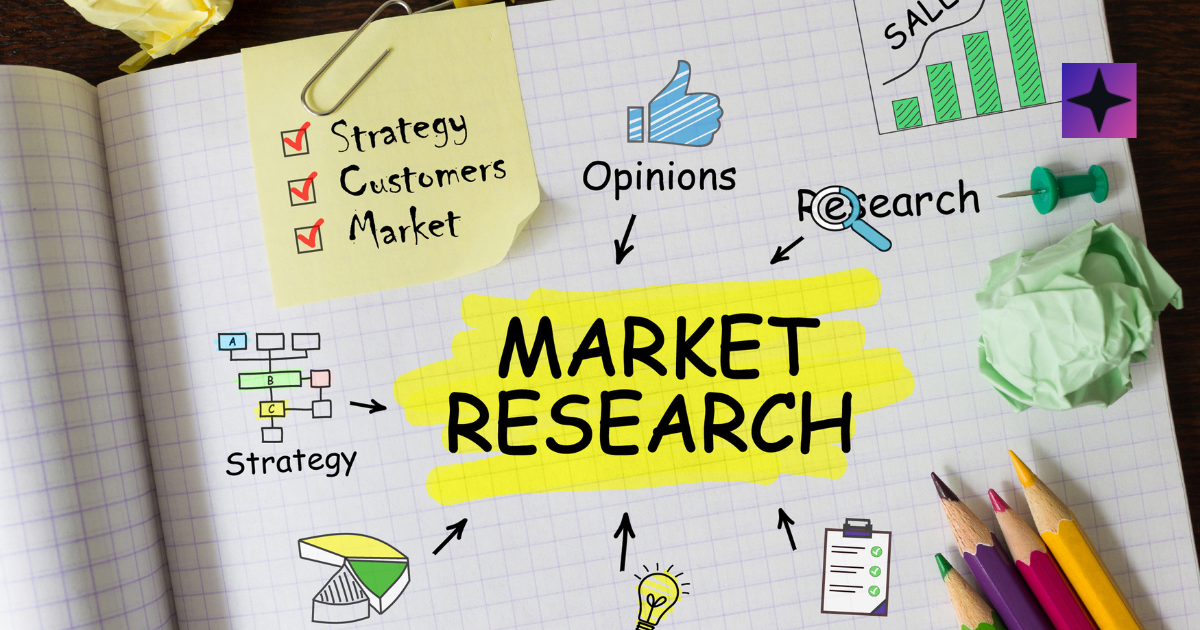
Preparing for an interview isn’t just about practicing answers or picking out what to wear. In today’s competitive job market - whether you’re applying in Toronto, Vancouver, Chicago, or Dallas - the real secret weapon is research.
Learning about the company you’re interviewing with can transform how you perform in the conversation. It gives you confidence, helps you ask smarter questions, and shows recruiters that you’re genuinely invested in joining their team—not just any team.
In this in-depth guide, we’ll cover why company research matters, how to do it effectively, and how to use what you discover to make a memorable impression.
🌟 Why Researching a Company Before an Interview Matters
1. You’ll Stand Out as a Well-Prepared Candidate
Recruiters can instantly tell when a candidate has done their homework. According to a 2024 Glassdoor report, over 80% of hiring managers say candidates who demonstrate company knowledge are more likely to advance to the next stage.
That doesn’t mean memorizing stats - it means understanding what drives the business. Imagine two candidates interviewing at Shopify in Canada. The first vaguely says, “I’ve always admired Shopify.” The second says, “I admire how Shopify empowers small business owners through digital tools, especially after their recent AI-driven updates for entrepreneurs.”
The difference? One sounds generic. The other sounds like they belong there.
2. It Shows Genuine Interest and Initiative
Companies don’t just want people who can do the job - they want people who care. Taking time to research an organization signals that you’re curious, proactive, and thoughtful.
As one U.S. recruiter puts it:
“When candidates bring up our recent community work or product launch, I know they’re not just applying blindly. They actually see themselves as part of our story.”
In a North American job market that values initiative, curiosity is currency.
3. You’ll Understand the Culture and Values
A paycheck might get you in the door - but culture keeps you there.
Before your interview, read the company’s mission statement, review its values, and look for proof of how those values show up day to day.
For example, if you’re interviewing with RBC and you notice multiple initiatives around sustainability and diversity, you can mention how those align with your own values:
“I appreciate how RBC integrates sustainability into its business strategy. In my previous role, I helped implement a similar green initiative.”
That alignment between what matters to them and what motivates you can create instant rapport.
4. You’ll Answer (and Ask) Questions Better
Good research lets you speak the interviewer’s language.
Let’s say you’re applying at Tesla in California. After reading recent news, you learn about the company’s investment in autonomous vehicle safety. When the interviewer asks, “Why do you want to work here?”, you could say:
“I’m fascinated by Tesla’s focus on innovation in safety systems - it’s where technology and ethics meet. That’s an area I’m passionate about contributing to.”
Likewise, when it’s your turn to ask questions, you can go beyond surface-level ones like, “What’s the company culture like?” Instead, you might ask:
“I read about your recent partnership with Panasonic on battery design - how might that impact the team I’d be joining?”
That level of engagement stands out.
5. You’ll Feel More Confident
Nothing calms interview nerves like preparation. When you’ve researched what the company does, who leads it, and what challenges it faces, you’ll walk in (or log on) with composure.
When asked, “So, what do you know about us?” - you won’t freeze. You’ll smile, summarize their business clearly, and even sprinkle in a recent milestone.
Confidence comes from clarity, and clarity comes from research.
6. You Avoid Costly Mistakes
A recruiter from Indeed Canada once noted that one of the most common turn-offs is a candidate who clearly knows nothing about the company:
“We can tell within 30 seconds if someone hasn’t read our website. It feels disrespectful.”
Failing to research can make you seem uninterested - or worse, unprepared. Thorough research, on the other hand, demonstrates professionalism, curiosity, and respect for the interviewer’s time.
7. You’ll Know if the Company Is Right for You
Remember: the interview isn’t just for them to choose you - it’s for you to evaluate them.
By learning about the company’s work culture, management style, and reputation, you can decide if it aligns with your long-term goals. Maybe you realize that the “fast-paced startup vibe” they promote sounds exciting - or maybe it sounds exhausting.
Either way, researching gives you power: the power to make informed career choices.
🧩 Step-by-Step: How to Research a Company Effectively
1. Start with the Company Website
Begin with the official site - it’s the most accurate source of information.
- Read the About Us page for mission, history, and leadership.
- Visit the Careers section for insights into culture and benefits.
- Check the Newsroom or Press page for recent achievements.
- Browse the Products or Services section to understand what they actually do.
💡 Example:
If you’re interviewing at Microsoft, and you discover their ongoing sustainability goal to be carbon negative by 2030, mention how environmental accountability aligns with your personal or professional values.
Taking notes during this stage can help you reference meaningful points naturally later.
2. Explore Their Mission, Values, and Culture
Go beyond buzzwords. Look for evidence of how those values are lived.
If a company claims to prioritize inclusivity, check whether they’ve been recognized for diversity initiatives or have Employee Resource Groups. If they emphasize work-life balance, see if they promote flexible work arrangements on LinkedIn.
Example: Shopify’s “Digital by Design” model lets employees work remotely from anywhere. If flexibility matters to you, that’s a talking point worth highlighting in your interview.
3. Review Recent News and Developments
Search Google News or LinkedIn News for updates from the past six to twelve months.
Ask yourself:
- Have they launched a new product or service?
- Expanded into new regions (like U.S. companies entering the Canadian market)?
- Announced leadership changes or layoffs?
This context helps you shape smart, timely questions.
“I read that your company recently expanded to Western Canada - how does that impact this department’s focus on client relationships?”
Staying current proves that you’re attentive to what’s happening in the business world.
4. Check Their Social Media and LinkedIn
Social media is where companies reveal their personality.
- LinkedIn often showcases achievements, culture, and employee spotlights.
- Instagram may highlight workplace events or community projects.
- Twitter/X might show how they engage with customers and handle feedback.
If you know who your interviewer is, look up their LinkedIn profile. You might discover shared experiences - a university, a volunteering interest, or mutual connections.
Just remember: mention it professionally, not personally. For instance:
“I noticed you’ve been at the company for seven years - what’s kept you inspired here?”
That single line can humanize your interaction.
5. Read Employee Reviews on Glassdoor and Indeed
These platforms give you behind-the-scenes perspectives you won’t find on the official site.
Pay attention to patterns rather than one-off complaints. If multiple employees mention great mentorship programs or strong leadership, that’s worth noting. If many highlight long hours, consider how that fits your lifestyle.
Glassdoor also lists common interview questions specific to the company - an underrated goldmine for preparation.
Example: If several people mention being asked about “handling fast change,” it’s a clue that adaptability is key for success there.
6. Research the Industry and Competitors
Understanding the industry context shows you can think big picture.
Ask:
- Who are their main competitors?
- What trends or regulations affect this industry?
- How is this company differentiating itself?
For instance, if you’re interviewing with a fintech startup in Canada, knowing how it competes with traditional banks like Scotiabank or TD can help you frame your answers around innovation and agility.
You could say:
“I’m impressed by how your platform bridges the gap between traditional finance and digital lending - it’s a unique space in the Canadian market.”
7. Leverage Your Network
Your connections can offer insights you won’t find online.
Use LinkedIn to see if you have 1st- or 2nd-degree connections at the company. A quick message like,
“Hi Alex, I’m interviewing with Company X next week - would you be open to sharing a bit about your experience there?”
People are often surprisingly generous with advice. Alumni networks, Facebook groups, or industry Slack communities can also help.
Even if you don’t have direct contacts, you can read discussions on Reddit or Fishbowl to get a sense of what employees say about their day-to-day work.
8. Revisit the Job Description and Connect the Dots
Finally, go back to the job posting with your new knowledge.
Identify where your experience overlaps with the company’s priorities. For example:
- If the job emphasizes collaboration, and you learned they recently restructured teams for cross-departmental work, highlight your teamwork examples.
- If they focus on innovation, share a time you proposed a creative solution in your current role.
The goal is to connect your story to their needs.
💬 How to Use Your Research in the Interview
Now that you’ve gathered valuable insights, the real trick is weaving them naturally into the conversation.
1. When Asked “Why Do You Want to Work Here?”
Generic answers fall flat. Specific ones stick.
“I was really impressed by how your company supported employees through the shift to hybrid work. That commitment to flexibility aligns perfectly with how I do my best work.”
2. Tailor Your Answers to Reflect Their Priorities
If you know the company values exceptional customer service, emphasize a story that showcases your ability to build client relationships.
“I noticed your Google reviews often highlight excellent customer care - that’s something I’ve prioritized throughout my career as well.”
3. Reference Company Insights in Your Stories
When answering behavioural questions like “Tell me about a time you worked under pressure,” you can subtly reference something you read:
“I read that your team recently handled a major product launch in under three months. That reminded me of a project I led where we faced similar time constraints…”
This approach shows you’ve done your homework and can relate to their reality.
4. When Asked “What Do You Know About Us?”
Use this simple structure:
- What the company does
- A recent milestone or initiative
- A value or cultural point that resonates with you
“From what I’ve researched, your company is a leading logistics provider across North America. I saw that you recently adopted electric vehicles to reduce emissions, which reflects your innovation and sustainability goals - values I strongly share.”
5. Ask Smart, Informed Questions
You’ll almost always be invited to ask questions at the end. Instead of something generic like “What’s next in the process?”, ask:
- “I noticed you’ve been expanding into the U.S. market - what challenges has that created for your team?”
- “Your CEO mentioned in a recent interview that innovation is central to growth. How does this role contribute to that vision?”
These questions show genuine curiosity, business awareness, and emotional intelligence.
6. Stay Conversational, Not Robotic
You’re not trying to impress by reciting facts - you’re demonstrating understanding.
If you found something that genuinely interests you, mention it naturally:
“I came across your company’s blog about community volunteering - it’s inspiring to see organizations invest in local impact.”
Let curiosity, not memorization, guide you.
🎯 Final Thoughts
Researching a company before your interview takes effort - but it’s one of the smartest career investments you can make.
You’ll walk in feeling calm, confident, and credible. You’ll ask better questions, tell more relevant stories, and show that you’re not just qualified - you’re aligned.
In North America’s competitive job landscape, preparation is what separates strong candidates from unforgettable ones.
So before your next interview:
- Read the website and press releases.
- Explore LinkedIn and Glassdoor.
- Learn about the competition.
- Connect the dots between their mission and your story.
Because when you understand the company, you don’t just answer questions - you build connection.
And that’s exactly what every great interviewer is looking for.